
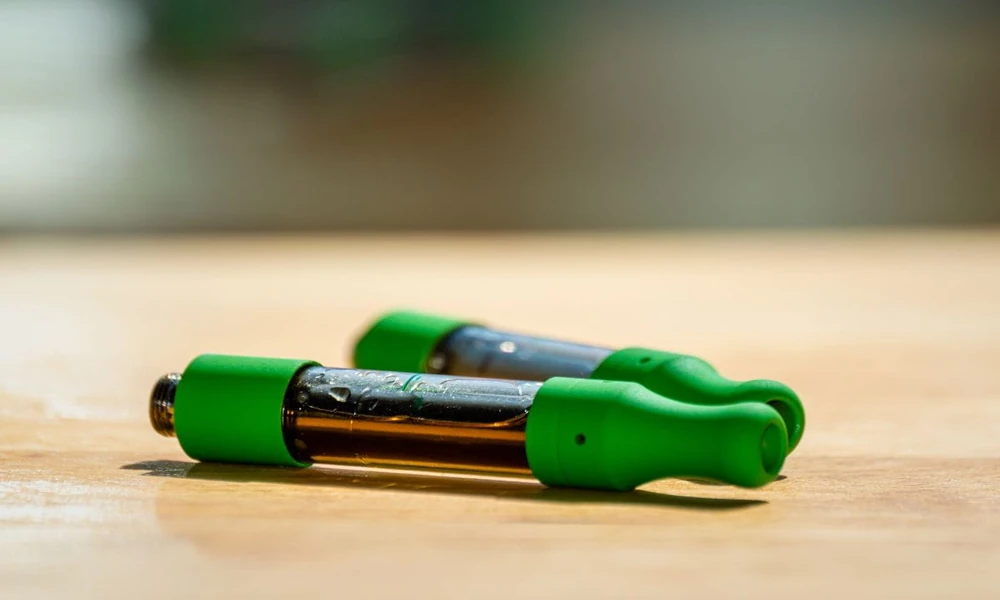

Vapour output comparison between cannabinoid types depends on compound concentration, coil temperature requirements, and how each extract converts during use. thca vapes approach vapor production from different starting points, and those differences produce measurable output variations that consumers moving between the two product types consistently notice across sessions.
Compound concentration levels
THCA extract is typically formulated at higher concentration levels than delta-8 distillate, and that gap in starting concentration directly affects how much active cannabinoid each draws at equivalent vapour volume. Delta-8 distillate is a pre-converted compound that is active before the device is used, while THCA exists in an acidic precursor form that converts during the draw through decarboxylation.
The concentration advantage in THCA formulations reflects the consumer base that gravitates toward this product type – experienced users with established tolerance levels who prioritize potency per draw over the lighter output that delta-8 distillate delivers at standard concentration ranges. That difference in target consumer shapes how each formulation is built from the extract stage through to the finished cartridge.
Vapour density output
- THCA vapour density
THCA extract produces dense vapour when the coil reaches the operating temperature required for full decarboxylation conversion during the draw. That density reflects the high concentration of the starting extract combined with the complete conversion of acidic precursor into active THC at the moment of inhalation.
- Delta-8 vapor density
Delta-8 distillate produces vapor at lower coil temperatures because the compound is already in its active form and requires less heat to convert into vapor. The vapor produced is lighter in density than THCA output at equivalent draw duration, reflecting the lower concentration and lower viscosity of the distillate base.
- Output comparison across draw duration
Longer draws increase vapour volume in both formulations, but THCA extract produces a steeper density increase per additional second of draw time than delta-8 distillate because the higher concentration of the starting extract has more compounds available to convert across the extended draw duration.
Coil temperature requirements
Coil temperature requirements differ between THCA and delta-8 formulations in ways that affect hardware compatibility and output consistency across both product types. THCA extract requires a coil that reaches and holds a higher operating temperature than delta-8 distillate needs to vaporize efficiently, which means devices built for delta-8 underperform when filled with THCA oil.
Purpose-built THCA hardware accounts for this by using coil resistance ratings and battery output levels matched to the higher temperature threshold that dense extract conversion requires. Using delta-8 hardware for THCA oil produces inconsistent vapor because the coil never reaches full operating temperature, leaving a portion of the extract unconverted during each draw and reducing actual output below what the concentration level of the oil should produce.
Heat conversion differences
- Decarboxylation threshold – THCA requires a specific minimum coil temperature to trigger the conversion from acidic precursor into active THC, and output quality depends entirely on the device reaching that threshold consistently across every draw.
- Delta-8 activation point – Delta-8 distillate activates at a lower temperature than THCA requires, which is why hardware built for delta-8 produces consistent output with that oil type but insufficient output when the same temperature range is applied to THCA extract.
- Conversion completeness – Full decarboxylation of THCA during a draw produces maximum active THC per volume of extract consumed, while partial conversion from insufficient heat delivers less active compound than the concentration level of the oil would suggest.
- Hardware matching – Consistent vapor output from either formulation depends on hardware calibrated to the specific temperature requirements of the oil it carries rather than a device applied across both product types without adjustment.
THCA vapes and delta-8 products each deliver vapor output suited to different consumer expectations shaped by compound concentration, coil temperature requirements, and how each extract converts during use. Consumers who understand those differences select hardware matched to the specific formulation they intend to use rather than assuming all cannabinoid oils perform the same way across the same device.