
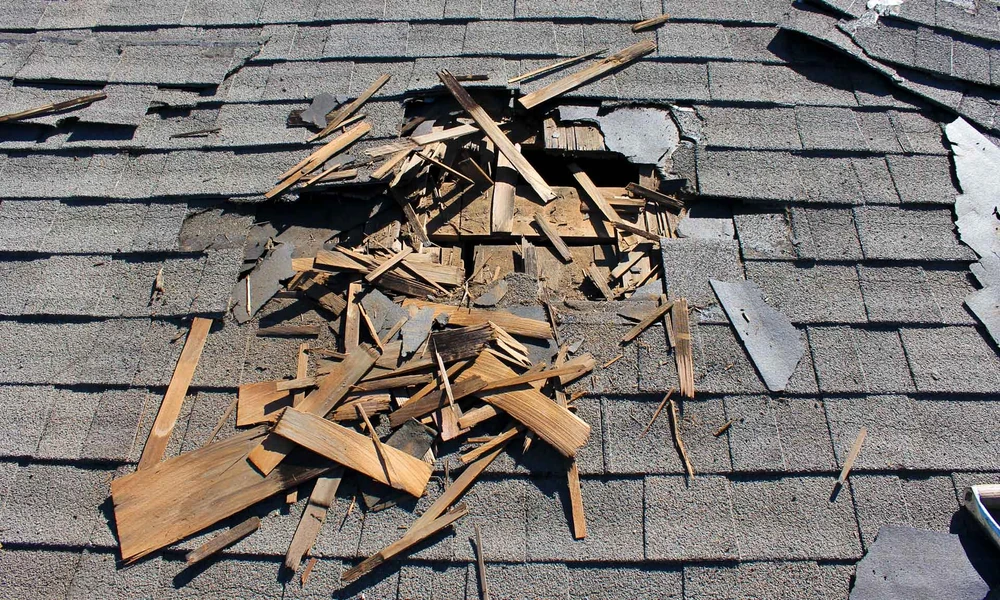

A single spring hailstorm across Southeast Kansas doesn’t pick favorites. The same cell that pocks the shingles on a ranch house can split the membrane on a church fellowship hall three blocks away. The damage looks similar from the ground. On paper, the two roofs live in different worlds, with different policy forms, different deductibles, and different people who get to approve the repair.
Homeowners usually carry a personal homeowners policy, and one household makes the decisions. Congregations are insured under commercial property coverage, often written for houses of worship, and the roof itself may be three or four separate systems added over decades. Knowing where those paths split and where they overlap saves both groups time and money, and cuts down on rounds of back and forth with adjusters.
For property owners in the region, Pure Value Renovations LLC works on both sides of this comparison from its shop at 623 South Union Street in Coffeyville. The Kansas licensed contractor (KS 25-013286) restores storm damaged homes, installs full replacements with impact-resistant materials, and roofs sanctuaries from historic to modern. Its team meets adjusters on site to document damage, and flexible monthly payment plans help cover what a settlement leaves behind. A free inspection is one call away at 620-322-9133.
Two policies with very different fine print
Most homeowners policies settle roof claims at either replacement cost value or actual cash value. Replacement cost pays for new material of like kind and quality. It usually holds back depreciation until the work is finished and the final invoice is submitted. Actual cash value subtracts age and wear, which can shrink the check sharply on a 15 year old roof. In hail-prone states, many insurers now use a separate wind and hail deductible set as a percentage of dwelling coverage. A 2% deductible on a $200,000 home means the first $4,000 comes from the owner.
Church policies add layers most homeowners never see. A coinsurance clause, often set at 80 or 90 percent, can reduce the payout if the building was insured below that share of its replacement value. Ordinance or law coverage matters more too. An older sanctuary being reroofed may need insulation brought up to current energy code, and that upgrade isn’t paid unless the endorsement is on the policy. Commercial deductibles tend to be larger. Some policies also exclude cosmetic damage on metal roofing, so dented panels that still shed water go unpaid.
How hail shows up on each roof
On a typical home, the roof is a single steep-slope system of asphalt shingles. Hail leaves bruises that feel soft under thumb pressure, fractured mats, and patches of missing granules. Adjusters often mark a 10 by 10 foot test square on each slope and count the hits. Dented gutters, vents, and downspouts serve as supporting evidence of hail size.
Churches rarely have one roof. The sanctuary might carry asphalt, slate, or standing seam metal, while the education wing or fellowship hall sits under a low-slope membrane such as TPO, EPDM, or modified bitumen. Hail can crush the cover board or insulation beneath a membrane without leaving a visible hole. That damage only shows up through core cuts or an infrared moisture scan. Cracked slate can’t be swapped for a mismatched tile on a historic building, and steeple flashing often requires a lift just to inspect.
| What changes | Single family home | Church campus |
|---|---|---|
| Policy type | Personal homeowners form | Commercial property, often worship-specific |
| Roof systems | Usually one steep-slope surface | Often mixed steep and low slope sections |
| Hidden damage risk | Moderate, mostly visible on shingles | High under membranes and around towers |
| Who approves repairs | The homeowner | Trustees, a building committee, or a board vote |
| Common money gap | Deductible plus withheld depreciation | Deductible, coinsurance shortfall, code upgrades |
| Access needs | Ladder and harness | Lifts for steeples, bell towers, and tall gables |
Documenting damage before anything gets fixed
The first steps look almost identical for both properties. The Kansas Insurance Department’s homeowners claim settlement checklist advises reporting damage promptly and photographing everything before temporary repairs begin. Tarps and board patches are fine and often required to prevent further loss. Keep the receipts, since emergency mitigation is usually reimbursable.
Congregations benefit from naming one point person, such as a trustee or facilities chair, to meet the adjuster and keep notes. When five committee members each call the carrier, timelines blur and statements conflict. Record the storm date, any interior leaks, and photos of ceiling stains in classrooms or the nave.
Both groups should be cautious of anyone pushing for a quick signature that hands over the right to negotiate the claim. State regulators have specifically warned about this tactic after Kansas storms. Disputes can go to the department’s Consumer Assistance Division at 1-800-432-2484.
Choosing materials that hold up to the next storm
Rebuilding after a claim is the best chance to upgrade. Shingles labeled impact resistant have passed either UL 2218, which drops steel balls, or FM 4473, which uses ice balls. NRCA’s Professional Roofing magazine has noted that these older tests overestimate how real hail behaves. That gap is why the IBHS hail impact-resistant shingle ratings matter. The institute buys shingles off retail shelves and hits them with lab-made hailstones. Its 2025 round covered 24 products, and none earned an Excellent rating. A Class 4 label alone doesn’t guarantee strong performance.
For homeowners, a well-rated Class 4 shingle can also earn a premium discount with some carriers, so it’s worth asking an agent before choosing a product. For churches, the upgrade conversation centers on the low-slope sections. A thicker membrane, such as 80 mil TPO in place of 60 mil, paired with a high-density cover board, absorbs impact far better. Historic sanctuaries face a different trade-off: preserving slate or clay tile appearance while improving the underlayment and flashing beneath.
Where the two paths meet again
Money and timing bring both roofs back to the same problem. A homeowner can approve a replacement in an afternoon. A congregation may need a board vote, competing bids, and sometimes a capital campaign to cover a coinsurance shortfall. A parsonage on church grounds adds another wrinkle. It may sit under the church’s commercial policy or under the pastor’s own homeowners coverage, and that determines which set of rules applies.
Most policies also limit how long an owner has to report damage or finish repairs and still recover held-back depreciation. Reading those deadlines early prevents the most avoidable loss in either case: a valid claim that simply runs out of time.
Do Church Roof Claims Follow Different Rules Than Homes?