

You open a letter from your insurer, skim a few lines, and your stomach drops. A plan changed, a provider moved out of network, a benefit was reduced, or a service you counted on now needs prior approval. Dental coverage changes have a way of showing up right when you were finally ready to schedule treatment with a dentist in Castro Valley.
If that sounds familiar, you are not overreacting. Even small insurance updates can affect what you pay, when you get care, and whether you delay treatment longer than you should. A family dentist often becomes the steady point in all of this. They do more than clean teeth and fill cavities. They help you sort through benefits, time treatment wisely, and protect your oral health when coverage shifts under your feet. That is the real value of how family dentists help patients navigate changes in dental coverage.
Family dentists reduce confusion when dental insurance changes
Coverage changes usually do not arrive in plain language. You see terms like annual maximums, waiting periods, frequency limits, downgraded procedures, and out of pocket responsibility. What you need is a clear answer to a simple question. Can you still get the care you need without being blindsided by the bill?
A family dentist helps by translating those rules into real decisions. If your plan now covers exams twice a year but limits certain X rays, the office can often tell you what is still covered and what may not be. If a crown is covered at a lower rate than before, they can explain the likely patient portion before treatment starts. That kind of clarity matters when you are juggling a household budget.
This support becomes even more useful when several family members are on the same plan. One child may need sealants, another may need orthodontic screening, and an adult may be due for periodontal care. A family dental office can help prioritize treatment based on urgency, benefits left for the year, and what can safely wait until the next benefit period.
Coverage gaps can lead to delayed care and higher costs
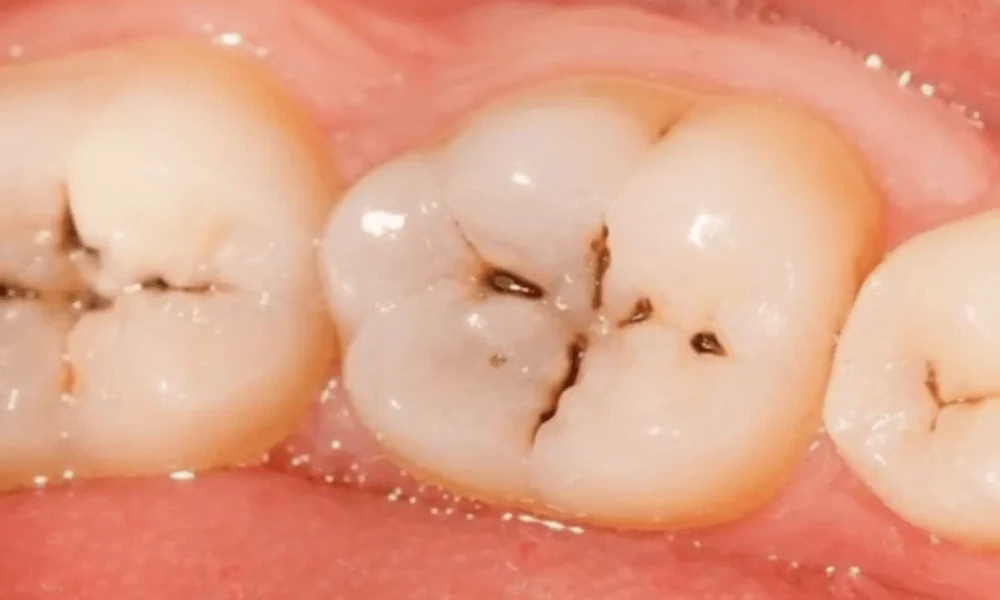
When people are unsure about coverage, they often postpone care. That makes sense in the moment. No one wants a surprise bill. The problem is that small dental issues rarely stay small. A cavity that could have been treated with a basic filling may turn into a root canal and crown. Inflamed gums can progress into deeper periodontal problems that require more visits and more expense.
You may also be dealing with age related coverage changes for a parent or grandparent. Medicare generally does not cover most routine dental care, which catches many families off guard. The Medicare dental coverage overview explains those limits. Medicaid dental benefits can also vary by state and by age group, which adds another layer of uncertainty. The Medicaid dental care resource is a useful place to check those basics.
That is where a dental coverage guidance from a family dentist approach helps. Instead of guessing, you get a plan. If preventive care is still covered, the office may encourage you to use those visits on time because prevention is the least expensive path. If a larger procedure is needed, they may split treatment into phases when clinically appropriate so you can use current and upcoming benefits more wisely.
Family dental care works best when treatment and benefits are planned together
A good family dentist does not treat insurance as the center of care, but they do respect the fact that money affects health decisions. They can often flag issues early, submit pre treatment estimates, document medical necessity, and help you understand alternatives. If your insurer requires a less expensive material or a different coding category, your dentist can explain how that affects function, appearance, and long term value.
Picture a parent who needs a night guard, a teenager due for wisdom tooth monitoring, and a younger child with early decay. Without guidance, it is easy to spend benefits in the wrong order. With a family dentist, urgent care comes first, preventive visits stay on schedule, and elective treatment can be timed with more confidence. That is one of the practical strengths of family dental insurance help.
| Situation | Handling It Alone | Working With a Family Dentist |
|---|---|---|
| Plan changes midyear | Confusion about what is still covered | Benefit review and timing advice for pending treatment |
| Multiple family members need care | Benefits may be used without clear priorities | Treatment is prioritized by urgency and remaining coverage |
| Large procedure is recommended | Risk of delaying care or facing a surprise bill | Pre estimates, phased care, and payment planning |
| Senior family member loses routine dental benefits | Routine care may stop altogether | Office helps identify low cost prevention and necessary follow up |
Simple steps help you stay ahead of dental benefit changes
1. Ask for a benefit check before major treatment. If you need crowns, periodontal therapy, oral surgery, or several fillings, ask the dental office to review your current benefits and estimate your share. An estimate is not a guarantee, but it gives you a much firmer footing than guessing.
2. Use preventive visits on schedule. Cleanings, exams, and routine screenings are often the part of dental coverage that remains easiest to access. Staying consistent with preventive care lowers the chance that a small issue turns into a more expensive one. The National Institute on Aging offers practical advice on taking care of your teeth and mouth, and those basics apply at every age.
3. Build a treatment plan around the benefit calendar. If your annual maximum resets in January, your dentist may be able to schedule part of care before year end and part after the reset, when that is safe and appropriate. This can reduce out of pocket strain without putting your oral health on hold.
Steady dental guidance makes coverage changes easier to manage
Insurance rules change. Your need for reliable care does not. A family dentist helps you see what matters now, what can wait, and how to move forward without panic. That support can protect your budget, your time, and your health at the same time.
If your dental benefits have changed, do not wait until pain forces the decision. Reach out to your family dentist, ask for a coverage review, and get a treatment plan that fits both your needs and your benefits.
How Family Dentists Help Patients Navigate Changes In Dental Coverage