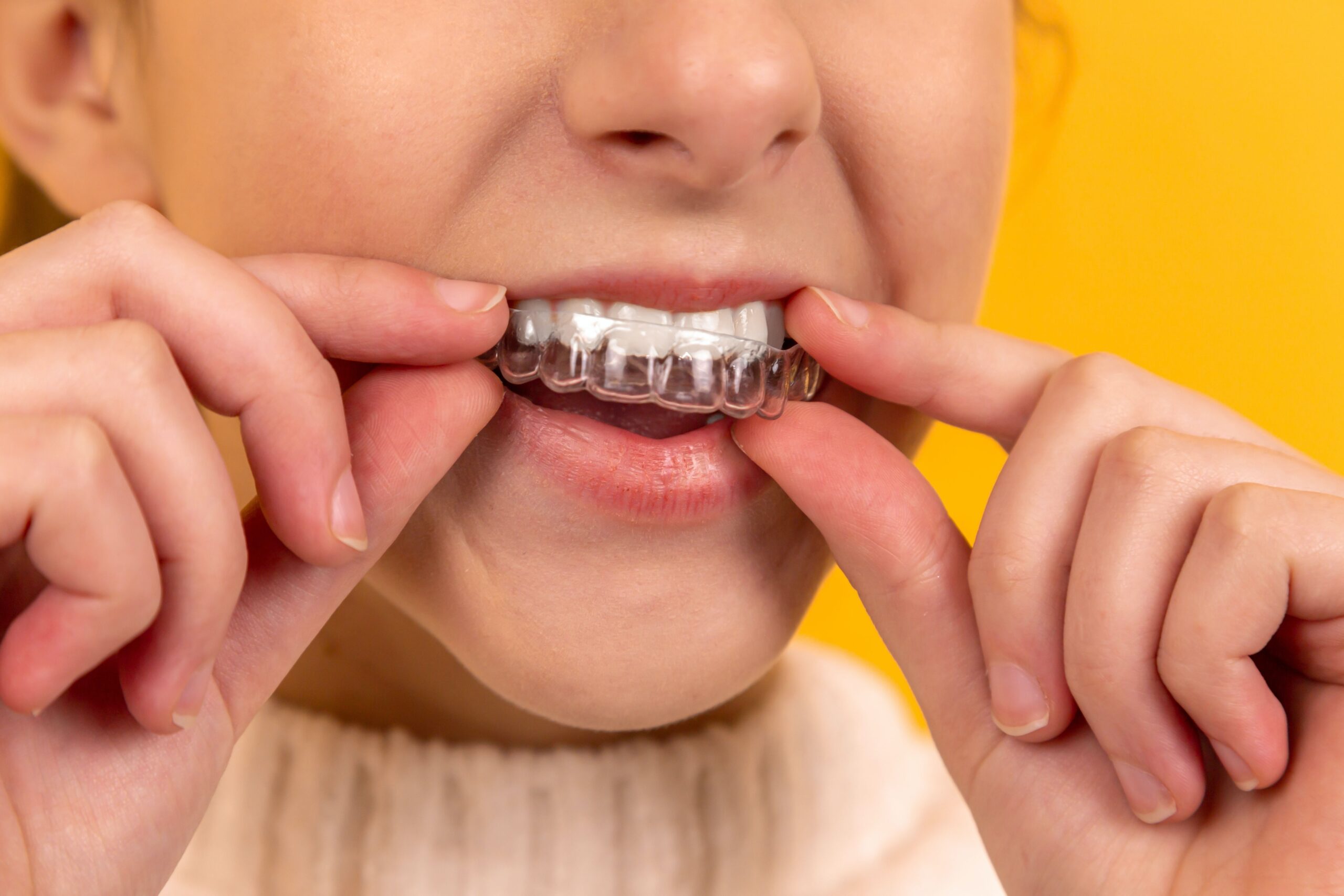
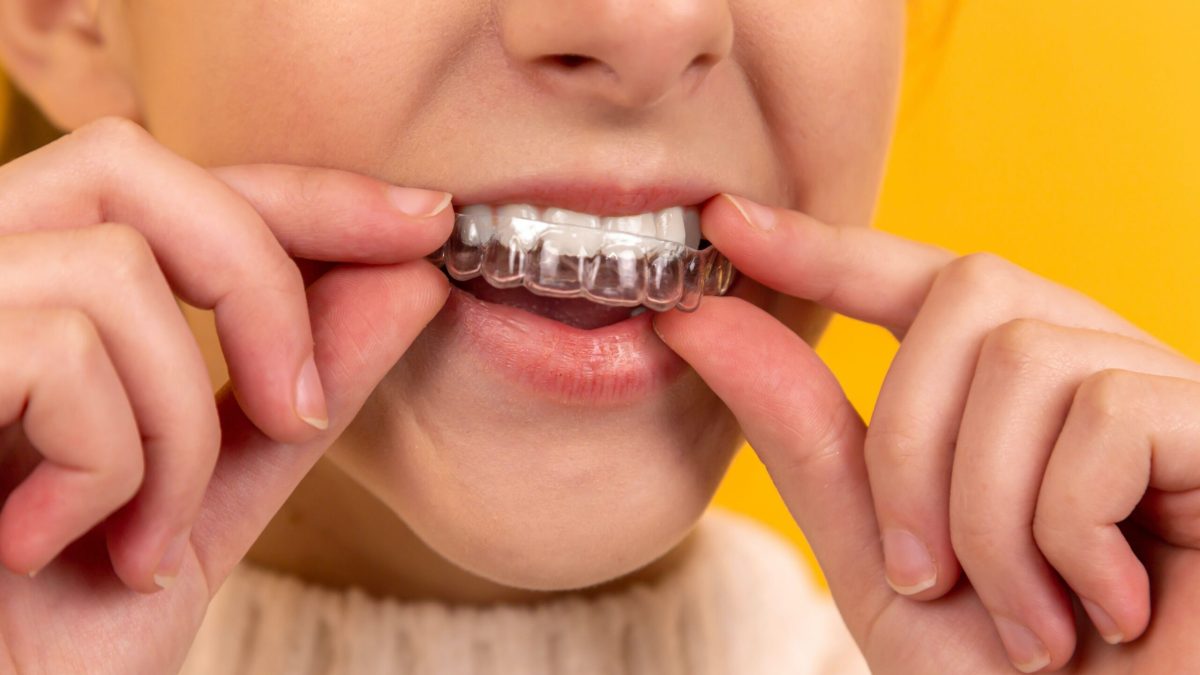

Dental splint printing resin is a crucial material in modern dentistry, particularly in the creation of dental splints using 3D printing technology. These resins play a vital role in ensuring the functionality and comfort of dental appliances. As dental professionals increasingly adopt 3D printing, understanding the differences between hard and soft resins is essential for optimal patient outcomes.
Comparing hard and soft dental splint materials
In the realm of dental splint printing resin, hard and soft resins serve distinct purposes. Each type has unique characteristics that impact their application in clinical settings.
Durability
Durability is a key factor when selecting materials for dental splints. Hard resin for dental splints is designed to withstand significant stress and wear. Its robust properties make it suitable for long-term use, especially in cases requiring strength and stability. In contrast, soft resins, while providing flexibility, may not offer the same level of durability. They are often used for temporary applications or in situations where comfort is prioritized over strength.
Transparency
Another important consideration is transparency. Key splint hard clear resin is engineered to provide excellent clarity, allowing for aesthetic considerations in dental applications. This transparency is particularly beneficial in cosmetic dentistry, where the appearance of the splint matters. Soft resins may not achieve the same level of clarity, which can be a drawback in aesthetic-focused treatments.
Comfort
Comfort is paramount in dental splints, particularly for patients who wear them for extended periods. Soft resins tend to be more comfortable due to their flexibility and ability to conform to the contours of the mouth. This adaptability can lead to improved patient compliance. However, the trade-off is that soft resins may not provide the same level of support as hard resins, which can impact their effectiveness in certain applications.
Clinical applications in modern dental labs
The choice between hard and soft dental splint materials often depends on the specific clinical application. Hard resins are commonly used in the fabrication of permanent dental appliances, such as retainers and night guards, where durability and strength are essential. Soft resins, on the other hand, are frequently utilized in the production of temporary splints or in orthodontic treatments where comfort is prioritized.
Selecting the right resin for your practice
When selecting a dental splint printing resin, consider the following factors:
– Patient needs: Assess the specific requirements of your patients, including comfort and durability.
– Clinical application: Determine whether the splint will be used as a temporary or permanent solution.
– Material properties: Evaluate the resin’s transparency and flexibility to ensure it meets aesthetic and functional needs.
Reliable sourcing of dental splint materials
For dental professionals seeking high-quality materials, it is important to partner with a reliable supplier. A reputable dental key splint hard resin supplier can provide materials that meet rigorous standards for performance and safety. Ensuring access to durable, clear hard resin for dental splints is essential for maintaining the quality of care provided to patients.
Final thoughts on resin selection for dental splints
In summary, the choice between key splint hard resin and soft resin depends on various factors, including durability, transparency, comfort, and intended clinical applications. Dental professionals must carefully evaluate these aspects to select the most appropriate material for their specific needs. Utilizing quality dental splint printing resin can enhance the effectiveness of dental appliances, ultimately leading to better patient outcomes. For further information on sourcing high-quality materials, refer to reputable suppliers in the industry.