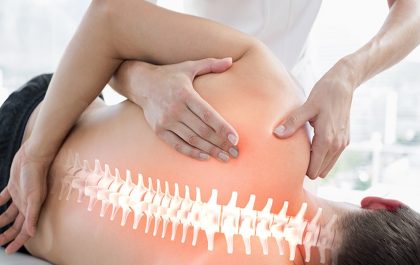


Contrast Therapy has rapidly become a favorite wellness practice for people seeking a natural and effective way to support recovery, reduce discomfort, and boost overall wellbeing. This method harnesses the body’s inherent responses to temperature changes by alternating between heat and cold exposure, creating a dynamic experience that engages circulation, inflammation regulation, and even mental clarity. Whether incorporated into a lifestyle of strenuous training or gentle self-care rituals, Contrast Therapy offers a refreshing way to help the body heal and adapt.
The Dynamic Science Behind Contrast Therapy
At the heart of Contrast Therapy is a simple yet powerful concept: alternating exposure to hot and cold stimuli triggers profound physiological responses. When the body is exposed to heat—often through methods like saunas or warm baths—blood vessels expand in a process known as vasodilation. This increased vessel diameter boosts circulation, helping oxygen and nutrient-rich blood reach fatigued or stressed tissues more efficiently. In contrast, cold exposure causes vasoconstriction, in which blood vessels tighten to preserve core temperature and reduce inflammation.
The alternating cycle of vasodilation and vasoconstriction acts like a natural “pump” for the circulatory system. This rhythmic expansion and contraction supports enhanced blood flow and can help mobilize lymphatic fluid, which plays a crucial role in detoxification and immune health. Through this mechanism, Contrast Therapy stimulates both the vascular and lymphatic systems, helping deliver healing elements to cells while flushing out metabolic waste and excess fluid.
One of the unique features of Contrast Therapy is how it optimizes the body’s adaptation to temperature stress. Rather than simply enduring hot or cold alone, the transition between the two states challenges the body to respond and recover rapidly, strengthening resilience and supporting the body’s inherent repair processes.
Physical Benefits That Go Beyond Sensation
Contrast Therapy is widely embraced for its ability to support muscle recovery and reduce soreness after physical exertion. Following intense workouts, muscles often experience tiny tears and inflammation—a natural part of the growth process. Alternating heat and cold helps reduce that inflammation while promoting efficient nutrient delivery and waste removal. This can make a noticeable difference in how quickly muscles feel refreshed and ready for the next activity.
Cold exposure in Contrast Therapy also heightens the body’s capacity to reduce swelling and dull pain. By constricting blood vessels and decreasing metabolic activity in targeted tissues, the cold phase can help soothe irritated muscles or joints. When followed by heat, which relaxes muscles and increases flexibility, the combined effect can greatly enhance comfort and movement.
Improved circulation isn’t only beneficial for active individuals. Better blood flow can support cardiovascular health more broadly, helping oxygen and nutrients reach organs and tissues throughout the body. The vascular “pump” created by contrast cycles also helps remove waste products more effectively than passive rest alone, which can support faster healing and reduced fatigue.
Another aspect of Contrast Therapy’s physical benefits is its role in skin health and detoxification. Heat exposure opens pores and sweats out impurities, while cold helps tighten skin and reduce puffiness. This interplay can contribute to a healthier complexion and deeper cleansing that supports overall wellness.
Mental and Emotional Renewal
Contrast Therapy isn’t purely physical. The sensations of heat and cold activate different parts of the nervous system, helping balance stress and relaxation responses. Cold exposure triggers the release of neurotransmitters like norepinephrine, which can enhance alertness and elevate mood. Heat exposure, on the other hand, stimulates parasympathetic activity, promoting calmness and helping the body transition into a state of rest. This dual stimulation can leave people feeling both refreshed and relaxed—a potent combination for mental resilience.
Many who practice Contrast Therapy report improved stress management and emotional balance, attributing its benefits to the way it helps the body shift between active and restorative states. This sensory contrast becomes not just a physical tool but a mental ritual that supports wellbeing and recovery in a holistic sense.
Incorporating Contrast Therapy Into Daily Life
Contrast Therapy can be adapted to suit a variety of lifestyles and fitness levels. Some individuals alternate between a sauna and a cold plunge, while others use cycles of hot and cold showers at home. The key lies not in extremes but in consistency—short but regular cycles can help the body adapt and reap benefits over time.
Safety is also important: listening to your body, staying hydrated, and gradually building tolerance ensures a comfortable and effective experience. People with underlying medical conditions should consult healthcare professionals before beginning contrast routines, especially when extreme temperatures are involved.
In essence, Contrast Therapy offers a powerful yet accessible way to support recovery, circulation, and mental wellbeing. Whether you seek to ease muscle soreness, enjoy a reset after stress, or simply invigorate your wellness routine, the interplay of heat and cold creates a transformative experience that nurtures both body and mind.