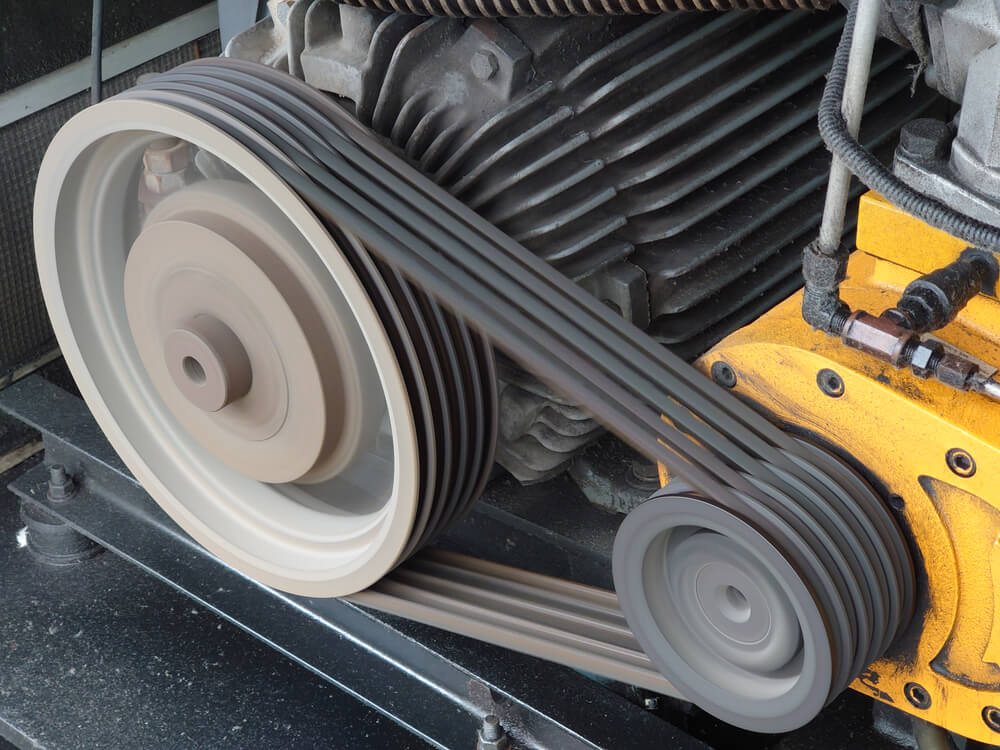
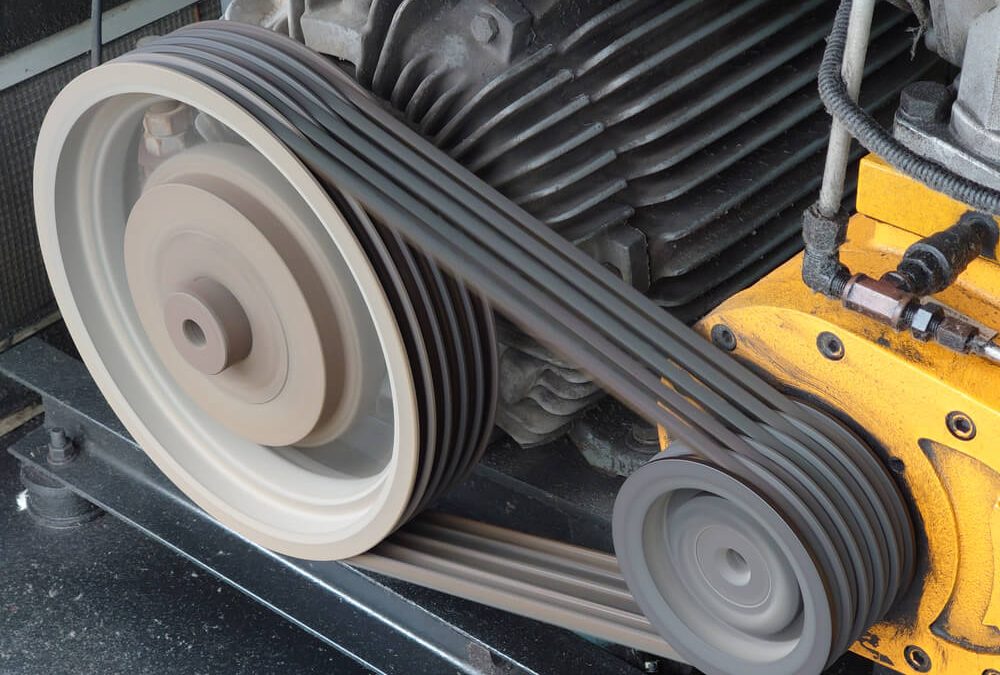

Industrial belts are critical components in machinery, playing a vital role in power transmission across various industrial applications. These belts facilitate the transfer of energy from one component to another, ensuring that machinery operates smoothly and effectively. Understanding the different types of industrial belts and their applications is essential for mechanical engineers, industrial maintenance teams, and procurement managers in selecting the right solutions for their systems.
Types of industrial belts
There are several types of industrial belts, each designed for specific applications and operating conditions. Among the most commonly used are industrial V-belts and industrial vee belts.
Industrial V-belts
Industrial V-belts are designed with a trapezoidal cross-section, which allows for greater grip on pulleys. This design minimizes slippage, making V-belts ideal for high-torque applications. They are widely used in various machinery, including conveyor systems, fans, and pumps. The advantages of industrial V-belts include:
Enhanced power transmission efficiency
Reduced energy consumption
Long service life due to durable materials
Industrial vee belts
Industrial vee belts, while similar in design to V-belts, differ in their application and construction. These belts are often utilized in light-duty applications where flexibility and smooth operation are essential. They are particularly effective in applications requiring minimal noise and vibration. Key benefits of industrial vee belts include:
Quiet operation
Flexibility in installation
Suitable for lower power transmission needs
Importance of industrial belts in power transmission systems
The significance of industrial belts in power transmission systems cannot be overstated. They serve as a connection between various components, ensuring that energy is effectively transmitted from the motor to the machinery. Properly selected and maintained industrial belts contribute to:
- Improved operational efficiency: Efficient power transmission reduces energy wastage and enhances overall productivity.
- Reduced maintenance costs: Quality industrial belts decrease the need for frequent replacements, leading to lower maintenance expenses.
- Increased equipment lifespan: Well-functioning belts prevent excessive wear and tear on machinery, extending the life of the entire system.
Selecting the right industrial belt manufacturer
When sourcing industrial belts, it is crucial to choose reputable industrial belt manufacturers in India. Quality manufacturers ensure that the belts meet industry standards and are designed for specific applications. Factors to consider when selecting a manufacturer include:
- Product range: A diverse selection of industrial belts allows for tailored solutions to meet specific operational needs.
- Quality assurance: Look for manufacturers that adhere to strict quality control measures to guarantee product reliability.
- Technical support: Reliable manufacturers provide technical assistance, helping users choose the right belts for their systems.
For a comprehensive overview of various industrial belt solutions, visit Jigna Sales, a resourceful platform for exploring industrial belts and their applications in machinery.
The Role of Industrial Belts in Machinery Efficiency
In summary, industrial belts are vital components in power transmission systems, contributing to the reliability and efficiency of machinery. Understanding the differences between industrial V-belts and industrial vee belts can aid in selecting the right type for specific applications. By choosing quality industrial belt manufacturers in India, organizations can enhance their operational efficiency and reduce maintenance costs. Investing in high-quality industrial belts is essential for ensuring the longevity and performance of machinery across various industrial sectors.