
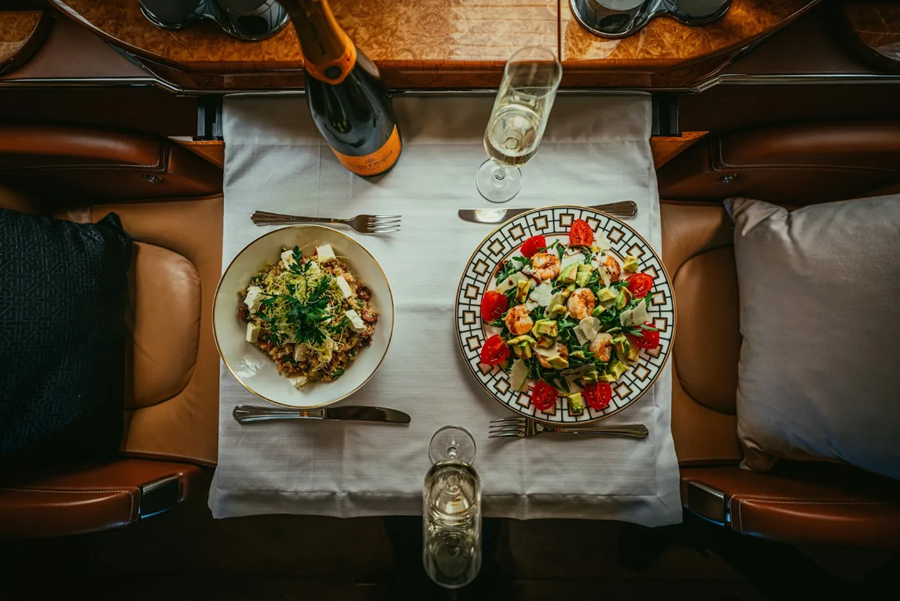

In fine dining, pairing wine with food is rarely an afterthought. It is part of the storytelling, the rhythm of the meal and the emotional memory guests carry home. While boutique vintages and rare cuvées often dominate conversations around luxury dining, one champagne continues to appear on the wine lists of celebrated restaurants across the world: Moët Brut Impérial. From Paris to Tokyo and New York, Michelin-starred chefs repeatedly recommend it for one simple reason: versatility without compromise.
Beyond luxury: why chefs trust moët brut impérial
For many chefs, balance matters more than prestige alone. Moët Brut Impérial delivers a profile that adapts naturally to a wide variety of dishes, from seafood starters to roasted poultry and creamy cheeses. Its blend of Pinot Noir, Pinot Meunier and Chardonnay creates freshness while maintaining depth, allowing the champagne to complement food instead of overwhelming it.
Industry professionals often point to the consistency of the house style. Every bottle aims to preserve the same recognizable identity: crisp fruit, lively bubbles and subtle brioche notes. Those looking for deeper tasting insights often explore Moët Brut Impérial details before selecting pairings for formal dinners or seasonal tasting menus.
Chefs also appreciate its flexibility during multi-course experiences. A single champagne that can move comfortably from oysters to truffle risotto simplifies service while maintaining elegance throughout the evening.
What makes it work with so many dishes
Several characteristics explain why sommeliers and chefs rely on it so frequently:
- Bright acidity that refreshes the palate between rich bites
- Fine bubbles that enhance texture without dominating flavors
- Citrus and orchard fruit notes that complement seafood and white meats
- Toasted undertones that pair naturally with butter-based sauces
This balance is particularly valuable in Michelin-starred restaurants where menus evolve seasonally and pairings must remain adaptable.
Inside the fine dining culture shaped by dom pérignon
The renowned Dom Pérignon house is widely considered a benchmark in fine dining culture, influencing how luxury champagne is perceived in elite restaurants around the world. Its legacy helped elevate champagne from a celebratory drink into a serious gastronomic companion. That influence extends across the broader champagne landscape, including labels like Moët & Chandon, which shares historical roots within the same heritage of French excellence.
In many Michelin-starred establishments, champagne is no longer reserved for dessert or special toasts. It is integrated throughout the meal. Sommeliers increasingly build entire pairing menus around sparkling wines because of their acidity, minerality and ability to interact with complex flavors.
Moët Brut Impérial fits naturally into this modern approach to dining. Its approachable structure allows chefs to experiment confidently with ingredients like shellfish, caviar, umami-rich mushrooms and aged cheeses. Rather than competing for attention, the champagne supports the composition of the plate.
Modern gastronomy has changed the role of champagne
A decade ago, heavy reds and oak-driven whites dominated prestige pairings. Today, many fine dining kitchens are moving toward lighter sauces, cleaner presentations and ingredient-focused cuisine. That shift has made champagne more relevant than ever.
Contemporary chefs value precision. They look for beverages capable of lifting flavors rather than masking them. Moët Brut Impérial responds particularly well to this culinary evolution because it combines freshness with enough body to handle savory dishes.
Popular pairings frequently seen in upscale restaurants include:
- Seared scallops with citrus butter
- Fried chicken with caviar
- Sushi and sashimi platters
- Parmesan risotto with black truffle
The contrast between acidity and richness often creates the kind of balance chefs actively seek when designing tasting menus.
Why sommeliers recommend it to younger diners
Another factor behind its popularity is accessibility. While luxury champagne can sometimes feel intimidating, Moët Brut Impérial remains recognizable to a broad audience. Sommeliers often recommend it to younger diners entering the world of fine wine because it offers sophistication without excessive complexity.
That familiarity also benefits restaurants. Guests are more likely to trust a pairing recommendation when the label feels established and approachable. In a dining environment where experience matters as much as flavor, confidence plays an important role.
Social dining and global influence keep the champagne relevant
The rise of food-focused social media has also transformed how champagne is consumed. Fine dining is increasingly visual, experiential and international. Michelin-starred chefs know that guests are searching for pairings that feel celebratory while remaining refined.
Moët Brut Impérial continues to thrive in this environment because it bridges classic French heritage with contemporary dining culture. Whether served beside seafood towers in Monaco or modern tasting menus in Singapore, it adapts effortlessly to changing culinary trends.
Its enduring presence in top restaurants is not simply about branding. It reflects decades of trust built among chefs, sommeliers and diners who value balance, consistency and elegance at the table.
Frequently asked questions about moët brut impérial and food pairings
Is moët brut impérial good with seafood?
Yes. Its acidity and citrus profile pair exceptionally well with oysters, lobster, scallops and sushi. The bubbles also help cleanse the palate between bites.
Why do Michelin-starred chefs often serve champagne with savory dishes?
Champagne offers freshness, texture and acidity that can balance rich or complex flavors. Many chefs find it more versatile than still wine across multi-course menus.
What flavors are found in moët brut impérial?
Common tasting notes include green apple, pear, citrus, brioche and subtle toasted aromas. These characteristics make it adaptable to many cuisines.
Can moët brut impérial pair with comfort food?
Absolutely. Fine dining trends increasingly embrace unexpected pairings such as fried chicken, fries or creamy pasta with champagne because the contrast creates balance and freshness.