

Indoor comfort and energy efficiency are top concerns for homeowners and business owners alike. When natural sunlight pours through large windows, it may brighten the space—but it also brings unwanted heat and harmful UV rays. Window tinting has emerged as a practical, cost-effective solution for controlling both.
In this Q&A, we’ll explore how window tinting works, its benefits, and why it’s more than just a cosmetic upgrade.
Q: What exactly is window tinting and how does it work?
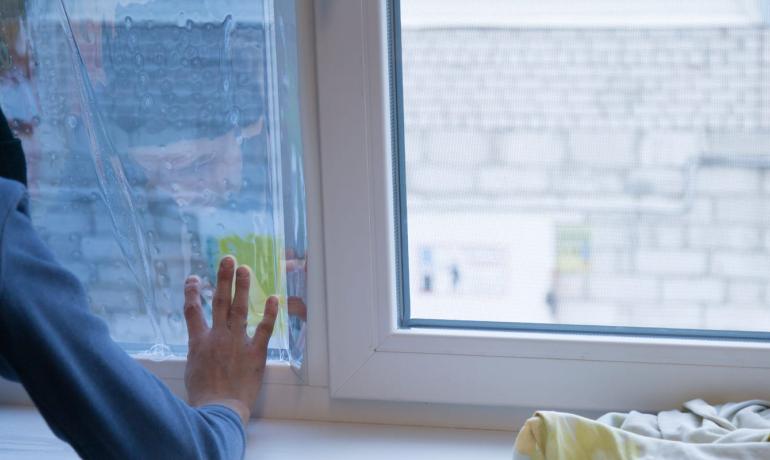
Window tinting involves applying a thin, transparent or shaded film to the interior surface of glass windows. This film is designed to filter out certain wavelengths of sunlight—specifically ultraviolet (UV) and infrared (IR) radiation—while still allowing visible light to pass through.
High-quality window films are engineered with multiple layers that reflect, absorb, or scatter solar energy. The result? A noticeable reduction in indoor heat and UV penetration.
Q: How does window tinting reduce heat indoors?
Solar heat gain occurs when sunlight enters through windows and warms up the interior. Tinted films block a significant portion of the sun’s infrared radiation, which is the main source of heat. By reducing the amount of solar energy entering your space, tinted windows:
- Lower indoor temperatures
- Reduce reliance on air conditioning
- Help maintain a consistent room climate
This effect is especially noticeable in rooms with large or south-facing windows that receive the most direct sunlight.
Q: What about UV protection—why is that important?
Ultraviolet rays are responsible for fading furniture, artwork, flooring, and even clothing stored near windows. Prolonged UV exposure also poses risks to skin health, even indoors.
Window tinting blocks up to 99% of UV rays, protecting your home’s interior and reducing your long-term exposure to harmful radiation. This benefit is crucial for both residential and commercial spaces where sunlight is a daily factor.
Q: Does window tinting affect visibility or natural light?
Not necessarily. Modern films are designed to preserve natural light while reducing glare and heat. You can choose from a variety of shades and finishes—from virtually invisible to darker tints depending on your aesthetic preferences and sun exposure needs.
For example, TechTeinte window tinting offers advanced films that provide high UV and IR rejection without sacrificing visibility. These films are ideal for people who want to retain their view while improving comfort and protecting interior spaces.
Q: Can window tinting reduce energy bills?
Absolutely. By minimizing heat gain in warmer months, window tinting lessens the load on your cooling system. This translates into lower energy usage and more stable utility costs over time. In some climates, it can also help with insulation during winter months, though the primary benefit remains in heat and glare reduction.
Q: Are there any additional benefits?
Yes—window tinting can also offer:
- Glare reduction: Ideal for home offices, media rooms, and retail spaces.
- Privacy: Some films make it more difficult for outsiders to see inside during the day.
- Shatter resistance: While not as strong as security film, tinting adds a layer that holds glass together if broken.
Conclusion
Window tinting is more than an aesthetic choice—it’s a smart investment in comfort, protection, and efficiency. Whether you’re trying to reduce heat, protect your belongings from UV damage, or simply create a more pleasant indoor environment, high-quality solutions like TechTeinte window tinting deliver results that make a difference every day.