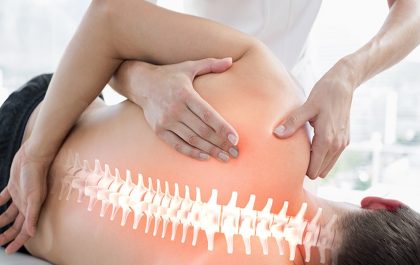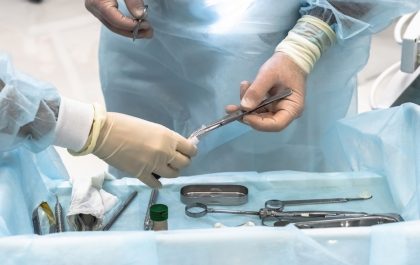


Fair Lawn rotator cuff repair is a common orthopedic surgery that is often needed by elderly patients. Orthopedic surgery can help restore joint mobility, reduce pain, and improve quality of life. However, orthopedic surgery in the elderly population comes with its own set of challenges. In this article, we will explore some of the challenges of orthopedic surgery in elderly patients and how they can be addressed.
Increased Risk of Complications
Elderly patients are more likely to have multiple medical conditions and take multiple medications. This can increase the risk of complications during and after surgery, as well as prolong the recovery time. Additionally, elderly patients may have weaker immune systems and less muscle mass, making them more vulnerable to infections and slower healing. To reduce the risk of complications, surgeons may perform a thorough pre-operative evaluation and optimize the patient’s medical condition before surgery. Post-operative care may also involve close monitoring and early intervention for any signs of complications.
Reduced Bone Density
Elderly patients are more likely to have reduced bone density and osteoporosis, which can increase the risk of fractures and implant failure during surgery. To address this challenge, surgeons may use specialized implants and techniques that are designed for patients with reduced bone density. They may also recommend pre-operative bone density scans and post-operative medications or physical therapy to improve bone health.
Longer Recovery Time
Elderly patients may have longer recovery times after orthopedic surgery due to slower healing and reduced mobility. This can increase the risk of complications and make it more challenging for patients to resume their normal activities. Surgeons may recommend a personalized rehabilitation plan that includes physical therapy and exercise to improve muscle strength, joint flexibility, and overall function. Additionally, family members or caregivers may need to provide additional support during the recovery period.
Higher Cost of Care
Orthopedic surgery in elderly patients may be associated with higher costs of care due to the increased risk of complications, longer hospital stays, and the need for specialized implants or rehabilitation. These costs can be a burden for elderly patients and their families, especially if they do not have adequate insurance coverage or savings. Surgeons and healthcare providers may work with patients and their families to explore cost-effective options, such as outpatient surgery or home rehabilitation, without compromising the quality of care.
Conclusion
Orthopedic surgery can provide significant benefits for elderly patients with joint problems, but it also comes with its own set of challenges. Surgeons and healthcare providers need to be aware of these challenges and work closely with patients and their families to minimize the risk of complications, optimize recovery, and reduce the cost of care. By taking a personalized and proactive approach, orthopedic surgery can help elderly patients maintain their mobility, independence, and quality of life.