
Meta Description
Learn about Ayurvedic warm oil therapies, abhyanga, and herbal routines that support joint mobility and everyday comfort through time-tested practices.
Warmth has always played a central role in Ayurveda, especially in supporting ease of movement and relaxation. Long before modern wellness trends, Ayurvedic practices relied on heat, oils, and mindful massages to help the body feel more at ease.
Today, these traditions remain relevant, particularly for people seeking gentle, everyday routines.
Why Ayurveda Emphasises Warmth for Joints?
According to Ayurveda, joints are influenced by circulation, lubrication, and daily rhythm. Exposure to cold, irregular routines, or prolonged inactivity can make joints feel less fluid over time. This is where warm therapy for joints becomes important.
Traditionally, warmth is believed to encourage relaxation and suppleness. It helps the body transition from stiffness to ease, especially when paired with gentle movement and rest.
Abhyanga: The Foundation of Warm Oil Therapy
What is Abhyanga?
Abhyanga is the traditional practice of warm oil self-massage. It is often described as a daily ritual rather than a treatment. When focusing on abhyanga joint comfort, the intention is to create a calming, grounding experience that supports mobility through regular care.
How Abhyanga is Traditionally Practised?
Warm herbal oil is gently massaged over the body, with special attention to joints. The warmth of the oil combined with slow, mindful strokes is what makes this practice central to joint oil massage ayurveda. Abhyanga is usually followed by a warm bath or shower, which helps the body fully relax.
Different Forms of Warm Therapy Used in Ayurveda
Warm Oil Massage
A warm oil massage is one of the most accessible forms of warm therapy for joints. Oils are traditionally chosen based on season and lifestyle, and the massage is kept gentle rather than forceful.
Warm Compresses
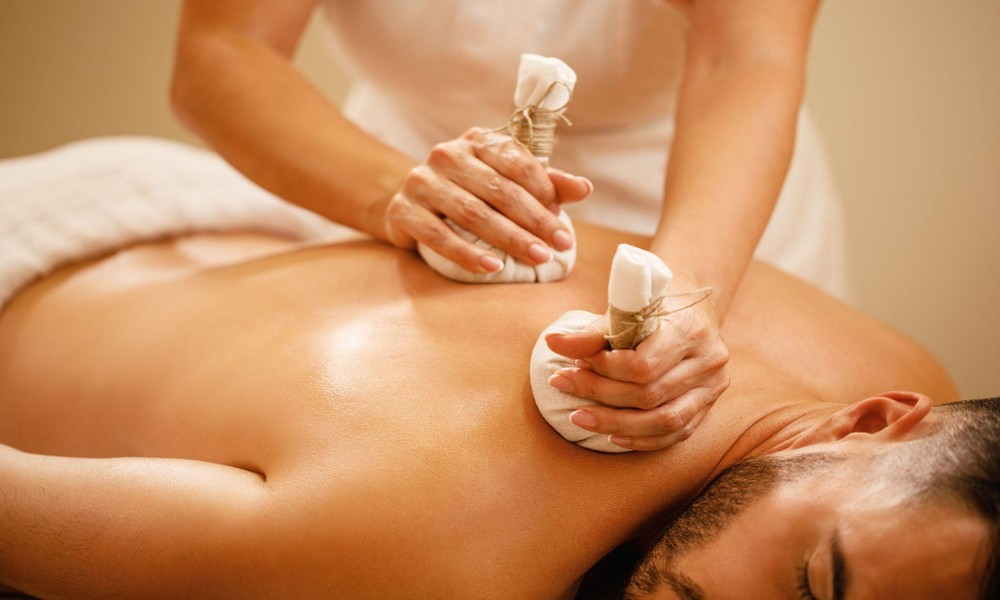
Applying warm compresses to specific areas is another commonly used approach. This form of warm therapy for joints is often used after prolonged sitting or physical strain.
Steam and Warm Baths
Warm baths and mild steam exposure are traditionally used to help the body unwind. These practices are often combined with oil massage as part of a complete relaxation routine.
How to Introduce Warm Therapy Into Daily Life?
Keep It Consistent
Ayurveda values regularity. Practising joint oil massage ayurveda even a few times a week can feel more supportive than irregular, intensive sessions.
Pair With Mindful Rest
Warm therapies are most effective when followed by rest. Allowing the body time to slow down is essential for achieving joint comfort during abhyanga.
Use Thoughtfully Formulated Oils
Some people prefer ready-to-use options like Joint Care Oil; these are generally used as part of a broader self-care routine rather than as standalone solutions.
Brands like Sunova, known for their Ayurveda-centric approach, focus on clinically researched natural ingredients, expertly formulated products, safety, and effectiveness, making it easier to integrate tradition into modern routines.
Conclusion
Through practices such as warm joint therapy, abhyanga, and mindful oil massage, Ayurveda offers gentle ways to support joint mobility and relaxation.
When practised consistently and with awareness, these warm rituals can become a calming anchor in everyday life, helping the body move with greater ease and intention.