
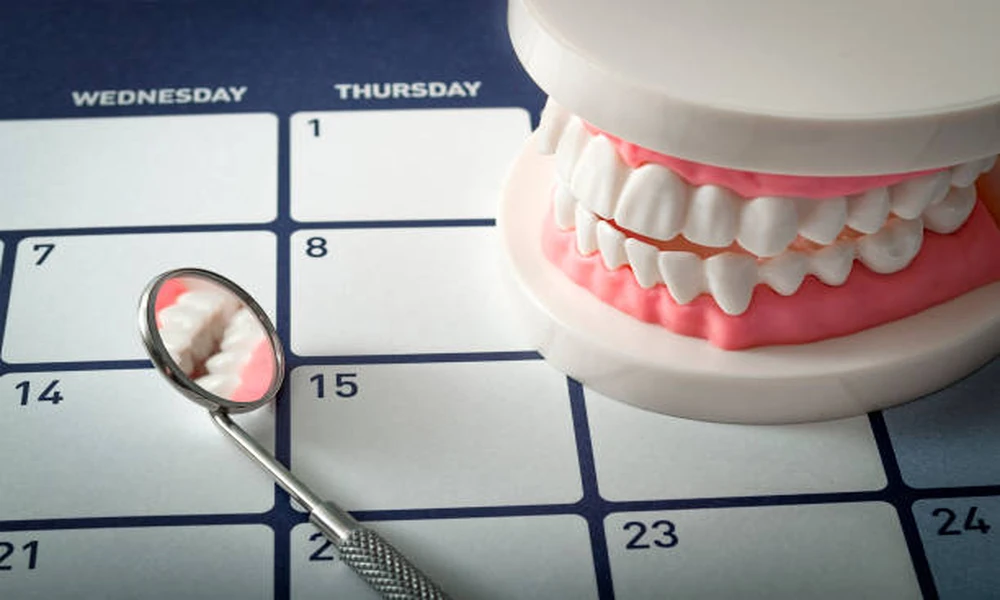

You mean to stay on top of it. Then life gets loud. One child needs a cleaning, another has a school form due, someone ran out of floss, and your own checkup quietly slips by for the third month in a row. That is why it helps to have a dentist serving families in Mullica Hill. Oral care often turns into a string of reminders, reschedules, and low grade guilt.
That is why creating a household dental calendar that actually works matters. It is not about making your family perfect. It is about making dental care easier to remember, easier to afford, and less likely to turn into an urgent problem. A good system keeps cleanings, daily habits, and age specific needs visible enough that nobody has to hold it all in their head.
A family dental schedule works best when it matches real life
Most families do not need a fancy planner. They need a system that survives busy mornings, shared custody schedules, work shifts, sports seasons, and the fact that children do not all need the same kind of reminders. If your calendar is too detailed, nobody uses it. If it is too vague, things get missed.
The trouble usually starts with good intentions. You book one appointment and assume you will remember the next. You buy supplies in bulk and still run out of toothpaste at the worst time. You tell yourself you will schedule everyone together, then one person needs an earlier visit for sensitivity or braces, and the whole plan falls apart.
A workable home dental care calendar does three things. It tracks professional visits, it supports daily habits, and it gives each family member a clear next step. That is what keeps the system from becoming another abandoned chart on the fridge.
Children may need help building brushing and flossing routines. Teens may need orthodontic check ins and extra reminders when routines slip. Older adults may need attention to dry mouth, gum health, dentures, or medication related oral changes. The National Institute on Aging guidance on taking care of your teeth and mouth is a useful reference when your household includes aging parents or grandparents.
Missed dental care gets expensive fast
When dental care is handled only when something hurts, the calendar is already controlling you. A missed cleaning can become plaque buildup, gum irritation, deeper treatment, time off work, and a bill that lands at the exact wrong moment. That pattern is common because prevention does not feel urgent until the lack of it does.
Adults often put themselves last. Kids get booked first, then parents postpone their own visits because nothing seems wrong. The CDC’s oral health tips for adults make the point clearly that daily care and routine dental visits help lower the risk of decay, gum disease, and tooth loss. The cost of prevention is usually predictable. The cost of delay rarely is.
There is also the emotional side. Children notice when dental visits feel chaotic or scary. If every appointment is last minute, rushed, or tied to pain, they absorb that stress. A calmer schedule changes the tone. Dental care becomes normal maintenance, not punishment or crisis management.
A useful household dental planner balances daily habits and office visits
A lot of families focus on the six month cleaning and forget the other 363 days. That is where the calendar needs to do more than hold appointment dates. Add recurring reminders for replacing toothbrushes every three to four months, checking supply levels monthly, and updating any treatment notes after appointments.
The National Institute of Dental and Craniofacial Research oral hygiene page supports the basics that still matter most, brushing twice a day with fluoride toothpaste, cleaning between teeth daily, and keeping up with routine care. A calendar works when it turns those basics into visible habits instead of vague intentions.
| Calendar Approach | What It Looks Like | What Usually Happens |
|---|---|---|
| Memory only | Appointments and supply needs stay in your head | Missed cleanings, late rescheduling, surprise shortages |
| Paper only | Fridge chart or wall calendar with family dates | Helpful at home, easy to miss when booking on the go |
| Phone calendar only | Digital reminders for visits and repeat tasks | Better follow through, but younger kids may not see the routine |
| Shared system | One visible home tracker plus digital reminders | Best mix of accountability, planning, and flexibility |
Small systems are more reliable than perfect systems
You do not need color coded brilliance. You need consistency. One family may use a shared phone calendar with alerts set one month, one week, and one day before each visit. Another may keep a simple chart on the fridge with each person’s last cleaning date, next appointment, and supply needs. Both can work.
The key is that your family dental schedule should answer these questions at a glance. Who is due next. What was the last visit for. Are there follow ups. Do we have the supplies we need. If the system cannot answer those questions quickly, it will not reduce stress.
Three steps make a dental calendar easier to keep
1. Put every family member on one master list. Write down each person’s dentist, last cleaning date, next due date, insurance details if needed, and any special care notes such as sealants, braces, night guards, or dry mouth. This turns scattered information into one usable record.
2. Schedule the next visit before leaving the office. This is the easiest way to avoid drift. If six months feels too far away to care about, that is exactly why it should already be on the calendar. Add reminders for one month before the appointment in case work or school conflicts need to be sorted out early.
3. Add recurring home care reminders. Set repeating prompts for toothbrush replacement, supply checks, and nightly flossing support for younger children. If one child responds well to sticker tracking and another only needs a quick verbal check, build that into the routine. Good planning fits the child, not the other way around.
A family dentist can make the routine feel lighter
A trusted family dentist often helps because care becomes more centralized. One office may be able to follow children as they grow, keep records in one place, and spot patterns across the household, especially when timing, prevention, and follow up have been inconsistent. That kind of continuity makes scheduling simpler and decision making less stressful.
You are not behind because life has been messy. You are dealing with the same pileup most families face, and a simple calendar can take real pressure off. Build a system you can keep, not one you have to impress yourself with. If your household needs support getting appointments and preventive care back on track, reach out to a family dentist and start with the next date, not the whole year.