
The reprocessing of metal stands as an efficient method for environmental protection and natural resource preservation. The metal recycling process gives discarded materials a second life, reducing waste and saving energy. This manual demonstrates the method through which recycled metal transforms into fresh merchandise as well as explains why this technique benefits the environment.
Why Metal Recycling Matters
Metal recycling delivers three essential environmental benefits to the world.
- The required energy necessary for creating new metal from ore exceeds the energy that recycling demands.
- The recycling activity decreases the requirement for destructive mine operations.
- Tons of metal are prevented from ending up in landfills each year.
Steel and aluminum metals maintain eternal recyclability which produces identical high-grade materials after each cycle.
The Five-Step Sequence Of Metal Recycling Functions
1. Collection of Scrap Metal
Scrap metal collection starts at various locations including standard household objects and production facility remains.
- Household items (appliances, cans, electronics)
- Construction sites (beams, wiring, pipes)
- Automotive parts (engines, body panels)
- Industrial manufacturing waste
Distribution systems protect discarded materials from entering into the landfill system.
2. Sorting and Separation
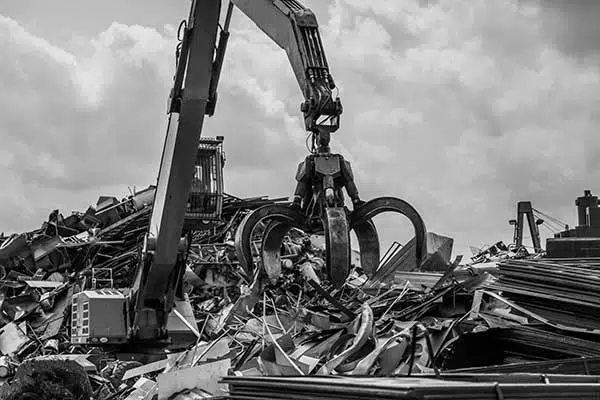
Metal recycling operations sort the materials by utilizing magnets to extract iron as well as steel from the scrap metal collection. Recycled metal must undergo this step to prevent harmful contaminants which would degrade its strength.
3. Cleaning and Processing
Before melting, metal goes through:
- Shredding to reduce size
- Removal of coatings, dirt, and attachments
- Quality inspections
Metal undergoes better melting with clean conditions therefore requiring less energy for the process.
4. Melting in Furnaces
Multiple metal types require various levels of temperature for melting.
- Aluminum: 660°C (1220°F)
- Steel: Over 1500°C (2732°F)
The recovery of heat in modern furnaces serves to increase their energy efficiency.
5. Forming New Products
The molten metal transforms into various shapes following its heating process.
- Ingots and bars for manufacturing
- Sheets for construction
- Wires for electronics
The products transform into new items thus finishing the recycling chain.
The Bigger Picture: Why This Process Matters
The metal recycling process creates major benefits:
- The process protects the environment in two ways by decreasing mining-related environmental damage while simultaneously lowering CO₂ emission rates.
- Aluminum recycling enables energy conservation through its efficient production method which requires only five percent of the energy needed for manufacturing new aluminum products.
- Economic Value from metal recycling creates employment opportunities and brings affordable manufacturing materials to industry.
How You Can Help
Metal recycling support is accessible to all through the following actions:
- Household metal items and cans should be separated before disposal
- Properly disposing of old appliances
- People should prefer items which contain recycled metal in their manufacturing process
Final Thoughts
Through the metal recycling process, waste materials are converted into useful raw resources. Taking part in such a green cycle enables us all to help preserve both natural resources and our environment. The energy needed to run your home for several hours becomes available through steel appliances and aluminum can recycling in addition to lowering destructive mining effects.
The constant reuse cycle shows that daily activities connect to produce major community effects. Community-wide metal recycling efforts result in three positive outcomes which include decreased landfill waste alongside lower industrial emissions and protection of environments that miners damage.