
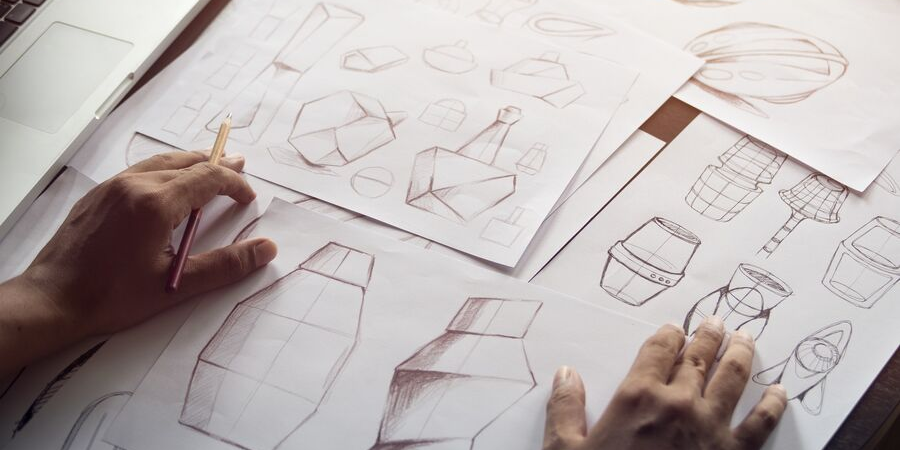

All projects begin with an idea. But ideas alone are unstable. They transform, they expand, and in some instances, they fade away. The process by which an idea becomes a tangible thing is structure. That is precisely what conceptual design of design offers.
Conceptual design establishes the direction before details, budgets, or timelines take over. It gets teams on the same page about what they are building and why.
What is Conceptual Design?
Conceptual design is the initial phase of project planning in which the overall vision is planned. It is heavy on intent, purpose, and structure, and not so much on execution.
This stage answers key questions:
- What problem are we solving?
- Who is this for?
- What does success look like?
Conceptual design eliminates doubt by answering these questions at an early stage.
Why Conceptual Design Comes First?
The main reason a lot of projects fail is not due to a poor execution but the clear goal was never defined. Organizations are fast moving, but in different directions.
Conceptual design helps by:
- Aligning stakeholders early
- Reducing confusion during development
- Preventing costly changes later
An unambiguous direction at the outset prevents you from wasting time and effort later.
Core Elements of Conceptual Design
Conceptual design bridges between free-form creativity and the constraints that give a design purpose and direction. It allows exploration without chaos.
Common elements include:
- Core idea and message
- Functional priorities
- User needs and experience
- High-level structure
These are the bases on which every other decision rests.
How Conceptual Design Improves Execution?
Once the concept is figured out, execution is easy. This way, there are no abstractions that teams can guess or have to rework decisions.
With conceptual design:
- Designers stay consistent
- Developers understand priorities
- Approvals happen faster
The launching point that ensures the project stays on course.
Conceptual Design vs. Detailed Design
These two stages are not designed for the same functions.
Conceptual design:
- Defines direction
- Explores options
- Focuses on the “why”
Detailed design:
- Finalizes specifications
- Sets measurements and materials
- Focuses on the “how”
If you get these stages mixed up too early you will end up wasting your cycles.
Common Mistakes in Conceptual Design
Calculate your time and effort, since early planning can also screw things up, if approached in a hurry.
Typical mistakes include:
- Adding detail too soon
- Ignoring user expectations
- Designing without clear goals
Good conceptual design is adaptable but focused.
Who Benefits from Conceptual Design?
Abstract design, again, is useful for everyone.
- Clients gain confidence
- Teams stay aligned
- Fewer rewrites = faster projects
Conceptual design comes in handy for any project where clarity is valued.
Advantages of Use for Conceptual Design
When projects started this pressure builds. Deadlines shrink. Budgets tighten. Expectations rise.
Which is why the order of priority must be conceptual design first. It establishes a calm ground ahead of restrictions set in place. Good concepts are not crushed under pressure.
Final Thought: Direction Beats Detail
Details can change. Direction should not.
While conceptual design translates thoughts into intent and vision into form. A clear concept leads to easier, quicker, and more consistent execution. Minimizing uncertainty also allows teams to drive decision-making in confidence as the conditions change. This clarity will only serve to eliminate wasted motion and keep projects on the rails over time.
Do conceptual design first − and let everything else fall into place.