
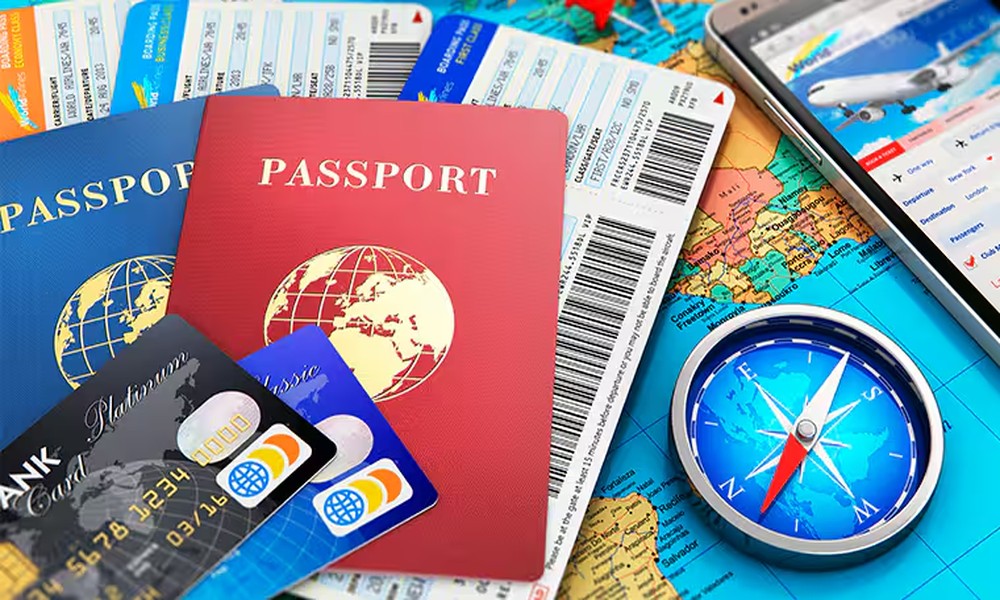

Preparing for an international cruise begins long before boarding. While ships handle much of the logistics once you step aboard, every traveler remains responsible for carrying the right documents. Understanding which papers are required helps avoid last-minute stress at the port and ensures a smooth start to the journey.
A valid passport comes first
A passport stands as the primary travel document for most international cruises. Cruise lines typically require it to be valid for at least six months beyond the end of the voyage. This rule protects travelers from being denied entry at foreign ports that enforce strict expiration guidelines.
For closed-loop cruises that begin and end in the same U.S. port, some lines accept a birth certificate and government-issued photo ID. While convenient, this option limits flexibility if an emergency requires flying home from abroad. A passport remains the safest and most widely accepted form of identification.
Visas and entry permissions
Certain countries require visas based on a traveler’s nationality. Cruise itineraries often include multiple destinations, each with its own entry rules. Checking visa requirements early prevents complications during boarding.
Many Mediterranean cruise routes include ports in Italy, Greece, Spain or France. U.S. citizens usually enter these countries visa-free for short stays, though this can change as regulations evolve. Travelers from other nations should verify requirements through official government sources or their cruise line.
Travel authorization programs
Some regions use electronic travel authorization systems rather than traditional visas. These online approvals link to a passport and allow entry for tourism purposes. Applying takes only minutes, though approval may not be instant.
For travelers planning a Mediterranean cruise, new European travel authorization programs are expected to become more common. Checking whether an online form is required before departure helps avoid delays at immigration desks.
Boarding documents and cruise paperwork
Cruise lines issue electronic boarding passes after online check-in. These documents include your booking number, assigned boarding time and cabin details. Printing a copy or saving it to a phone ensures quick access at the terminal.
Luggage tags also form part of the paperwork. Attaching them before arrival allows porters to route bags directly to the correct stateroom. Without them, luggage delivery may take longer.
Proof of citizenship and identity
Even with a passport, cruise lines sometimes ask for additional proof of identity. This usually comes in the form of a government-issued photo ID. Carrying both documents provides a backup in case one becomes misplaced.
Name accuracy matters as well. The name on the booking must match the name on the passport. Discrepancies such as missing middle names or spelling errors should be corrected well before departure.
Health and vaccination records
Some destinations require proof of certain vaccinations. Cruise lines also maintain health protocols that may include vaccination cards or digital health passes. While many restrictions have eased, it remains wise to keep these records available.
Medical documentation for prescription medications also helps when traveling across borders. A copy of the prescription or a doctor’s note prevents misunderstandings with customs officials.
Travel insurance and emergency paperwork
Travel insurance does not serve as an entry requirement, though it plays a key role in international cruising. Policies often cover medical care, trip interruptions and emergency evacuations. Carrying the policy number and emergency contact information makes it easier to access help when needed.
Some travelers also bring copies of important documents stored separately from the originals. Digital backups stored securely online offer another layer of protection.
Special documents for minors
Children traveling without both parents may need a notarized consent letter. This document confirms that the absent parent approves of the trip. While not always requested, it can prevent delays at immigration checkpoints.
Birth certificates or passports remain necessary for minors just as they do for adults. Keeping these papers organized ensures a smooth boarding process.
Shore excursions and port entry
Cruise passengers often enjoy simplified entry procedures during port visits. The ship handles customs clearance, which allows guests to step ashore with only a cruise card and photo ID in many locations.
Some ports still require a passport for independent travel. Carrying it in a secure holder protects against loss while exploring.
Preparing for unexpected changes
Political events, health regulations or natural disasters can affect entry rules. Checking official government travel sites in the weeks before departure keeps information current.
Cruise lines also provide updates through email or their mobile app. Reading these messages ensures that new requirements do not come as a surprise at the port.
A final checklist before departure
A few days before sailing, gather all required documents in one place. This includes passports, visas or travel authorizations, boarding passes, luggage tags and any health records. Verifying that everything is up to date allows you to focus on the journey rather than paperwork.
With the right documents in hand, the transition from home to ship feels straightforward. From the first step into the terminal to the moment you reach your cabin, preparation supports a confident start to an international cruise.