

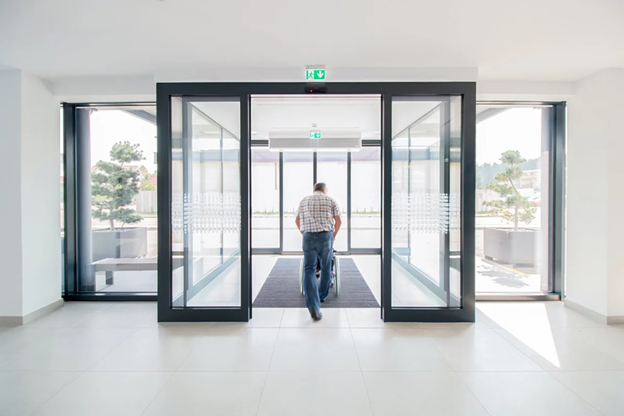
Commercial doors are an essential element in any business environment, offering security, functionality, and aesthetic appeal. Unlike residential doors, commercial doors are designed to withstand heavy usage, meet safety regulations, and accommodate the specific needs of different industries. From healthcare facilities to industrial warehouses, selecting the right type of door can enhance operational efficiency while ensuring safety for employees, customers, and visitors. Understanding the various types of commercial doors and their applications is crucial for business owners, facility managers, and architects.
Medical Facility Doors: A Focus on Safety and Hygiene
Medical facilities require doors that prioritize patient safety, privacy, and cleanliness. Hospitals, clinics, and laboratories rely on medical facility door solutions that are designed to minimize contamination and support smooth workflows. These doors often feature automatic opening mechanisms, antimicrobial surfaces, and easy-to-clean materials to meet stringent health standards. In addition, specialized doors in surgical suites and emergency rooms are engineered to offer quiet operation, quick access, and enhanced infection control. The right medical facility doors not only ensure compliance with healthcare regulations but also contribute to a calm and secure environment for patients and staff.
Steel Sliding Security Doors: Strength and Protection
For businesses that need to secure sensitive areas, steel sliding security doors provide a durable and reliable solution. Steel sliding security doors are commonly used in warehouses, industrial sites, and commercial storage areas where heavy-duty protection is necessary. Their robust construction prevents unauthorized access while offering smooth operation for frequent use. These doors can also be customized with locks, electronic access control, and reinforced frames to further enhance security. Beyond industrial use, steel sliding doors are increasingly utilized in retail settings to protect valuable inventory and restrict access to staff-only zones.
Glass Commercial Doors: Transparency and Accessibility
Glass commercial doors are a popular choice for offices, showrooms, and retail stores. They create an open and inviting atmosphere while allowing natural light to flow into the space. These doors can be frameless or framed, hinged or sliding, and often include tempered or laminated glass for safety. Glass commercial doors can also be equipped with access control systems, making them both functional and secure. Businesses that want to showcase their interior design or products often prefer glass doors for their aesthetic appeal and transparency.
Fire-Rated Doors: Safety First
In environments where fire safety is a priority, fire-rated doors are essential. These doors are constructed from materials such as steel, gypsum, or composite panels and are designed to resist fire for a specific duration, often ranging from 20 minutes to over an hour. Fire-rated doors help contain the spread of fire and smoke, allowing occupants to evacuate safely and minimizing damage to property. They are commonly installed in corridors, stairwells, and mechanical rooms, making them a critical component of commercial building safety plans.
Revolving Doors and Automatic Doors: Efficiency and Flow
High-traffic commercial spaces, such as airports, hotels, and large office buildings, benefit from revolving doors and automatic doors. Revolving doors help maintain indoor climate control by reducing drafts, while automatic doors facilitate hands-free entry and exit, improving accessibility for all visitors. These doors are particularly useful for businesses aiming to enhance the customer experience, streamline foot traffic, and comply with accessibility standards.
Specialty Doors: Tailored Solutions for Unique Needs
Some commercial environments require doors designed for specialized applications. Examples include cleanroom doors in pharmaceutical manufacturing, cold storage doors in food processing, and soundproof doors in recording studios. These specialty doors are engineered to meet specific operational requirements, whether it involves temperature control, contamination prevention, or noise reduction. Choosing the right specialty door ensures that the facility operates efficiently while meeting industry standards.
Conclusion
Selecting the right commercial door is more than a functional decision—it impacts safety, efficiency, and the overall impression of a business. From medical facility doors that rely on precise solutions for hygiene and workflow to steel sliding security doors that offer unmatched protection, each type of door serves a specific purpose. Glass doors, fire-rated doors, automatic doors, and specialty doors all cater to distinct needs, making it essential for business owners and facility managers to understand their options. By investing in appropriate commercial doors, businesses can enhance security, accessibility, and operational efficiency while creating a welcoming and professional environment for employees and visitors alike.